
The Soul of Threads: A Journey Into the Handcrafted World of Chikankari Sarees at Safed Rang
At Safed Rang, we don’t just craft sarees—we preserve a legacy.
Each Chikankari saree in our collection is not merely fabric; it is a tale told in threads, a poem etched with needles. Rooted in the graceful heritage of Lucknow and hand-embroidered with passion, Chikankari is where elegance meets effort, and style blends with soul.
The Art Behind the Saree
Chikankari is a traditional hand embroidery technique that dates back centuries, introduced in India by Empress Noor Jahan. What began as a royal indulgence has now become an enduring symbol of delicate beauty and timeless craftsmanship.
At Safed Rang, this art lives and breathes through the hands of our skilled artisans—mostly women—who spend weeks, even months, perfecting every detail of a single saree. Our mission is not only to revive this craft but also to reimagine it for the contemporary woman, without compromising its essence.
From Fabric to Masterpiece: The Process
- Choosing the Fabric
Every Chikankari saree at Safed Rang begins with the perfect canvas—soft mul cotton, luxurious muslin, rich chanderi, sheer organza, or heritage khadi. The fabric is selected keeping in mind breathability, drape, and how beautifully it holds the needlework. - Block Printing (Chhapai)
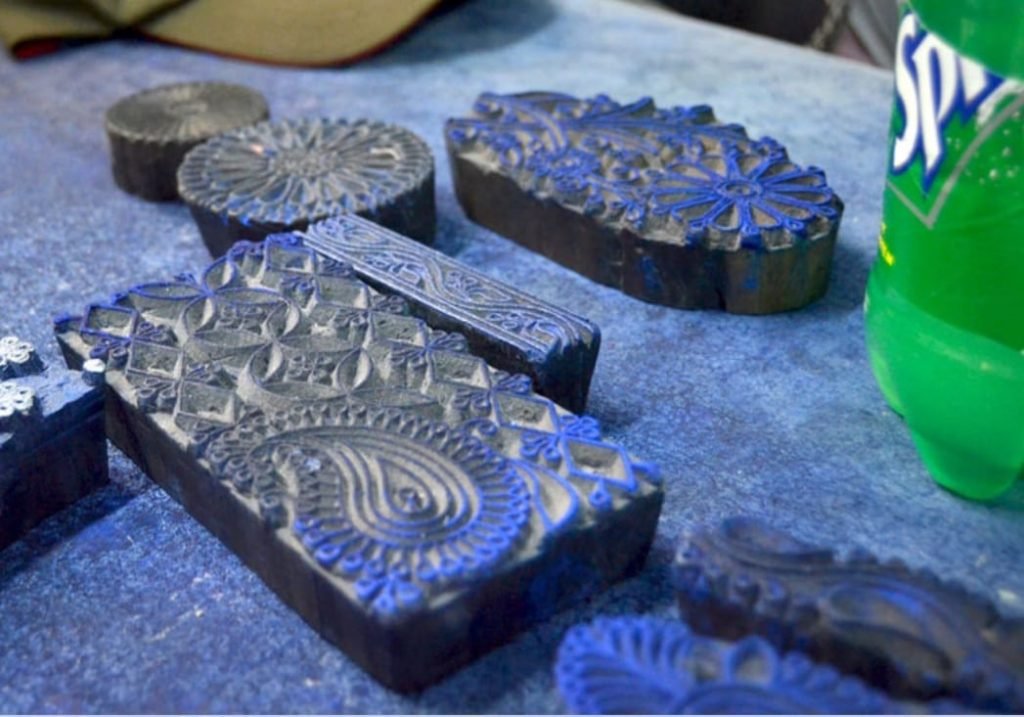
Once the fabric is chosen, the design is transferred using hand-carved wooden blocks dipped in washable dye. This temporary print guides the artisan through the embroidery process, setting the stage for every motif and floral swirl. - The Heartbeat – Hand Embroidery
This is where the magic begins. With nothing but a needle, thread, and years of experience, our karigars breathe life into the saree using a variety of traditional stitches.
The Stitches that Weave Magic
Chikankari is distinguished by its wide range of intricate stitches, each bringing a unique texture and charm to the design:
- Tepchi – A simple, running stitch, often used as the base outline of a motif.
- Bakhiya (Shadow Work) – The most iconic stitch, worked on the reverse side of the fabric to create a subtle shadow effect.
- Phanda – Delicate, knot-like stitches used to create tiny flowers or buds.
- Murri – Similar to Phanda but longer; these rice-grain-shaped knots add three-dimensionality.
- Jaali – A lace-like stitch that involves creating intricate mesh or net patterns by skillfully pulling the threads apart without cutting the fabric.
- Hool – An eyelet stitch, used for tiny flowers, where a small hole is punched and bordered with embroidery.
- Rahet – A stem stitch, usually used to fill leaves and stems.
- Keel Kangan – An ornamental stitch used for floral designs.
- Darzdari – A rare, traditional stitch used for bold, intricate borders.
Each stitch requires patience, precision, and passion. There are no machines involved—only hands, heart, and heritage.
- Washing and Finishing
Once the embroidery is complete, the fabric is washed to remove the block print, revealing the true elegance of the handwork. It’s then finished, edged, and inspected to ensure every saree meets our uncompromising standards.
Why Safed Rang?

Every Safed Rang Chikankari saree is:
- Handmade by artisans preserving a generational craft
- Ethically sourced and sustainably crafted
- A timeless statement—whether you’re at a wedding, a cultural soirée, or just embracing everyday elegance
We honor not just the artistry but the artisan. When you drape a saree from Safed Rang, you’re carrying the touch of many patient, skilled hands and the soul of a legacy that refuses to fade.
Safed Rang is not just a brand. It’s a movement—to revive, to respect, and to rejoice in the beauty of handmade.
Explore our collection. Wrap yourself in tradition. Let the thread speak.
Leave a Comment
Your email address will not be published. Required fields are marked *